
Interior vs. Exterior Doors: Why Picking the Wrong One is a Costly Mistake
Choosing a door seems simple until you’re standing in an aisle or scrolling through a catalog realizing that not all doors are created equal. At DB Building Materials, we often see homeowners fall into the trap of choosing a door based solely on looks, only to realize later that they’ve compromised their home’s security or energy efficiency.
In this guide, we’ll break down the technical differences between interior and exterior doors and share the pro-tips we’ve gathered from years of helping our customers.
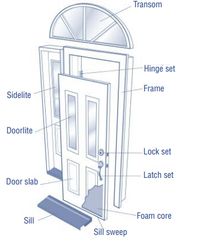
1. The Core Differences: Thickness and Construction
The most immediate difference is one you can feel.
Exterior Doors:
These are typically
1-3/4" thick
This extra girth is necessary to house heavy-duty deadbolts and provide a thermal barrier against the elements.
Interior Doors:
These are standard at
1-3/8" thick
. They are designed to be lighter and easier to swing for frequent use between rooms.
Expert Tip:
While these are standards, we also provide custom thicknesses for unique architectural builds. Always measure your frame twice before ordering!

2. Materials Matter: Durability vs. Weight
One of the biggest mistakes we see (and one that costs homeowners dearly) is trying to use an interior door for an exterior entrance to save money. Interior doors lack the "skin" to survive sun, rain, and temperature shifts.
For the Exterior: Steel is King
Our top recommendation for durability and security is Steel.
Steel doors offer incredible value, are virtually impossible to warp, and provide a high R-value for insulation.
For the Interior: Soundproofing Secrets
If you want to stop noise from traveling between the TV room and the bedroom, skip the hollow core.
We recommend:
-Solid Core (Engineered Wood/MDF):
Great for stability and sound dampening
-Solid Wood:
The gold standard for a premium feel and natural sound insulation.

3.Weatherproofing: The Silent Hero
An exterior door isn't just a barrier; it’s a seal.
A key feature we emphasize is the adjustable threshold (sill) and the door sweep.
Without a proper sill, even the most expensive door will let in drafts and moisture.
We’ve seen dozens of case studies where simply replacing a leaky, old front door with a properly sealed unit significantly lowered the homeowner's monthly energy bills.

4. Style Trends: What’s Hot Right Now?
You don't have to sacrifice style for function. Currently, our customers are gravitating toward two main looks:
Modern/Minimalist:
Think flat panels and bold black hardware.
Shaker Style:
Clean, versatile lines that work in both traditional and contemporary homes.
6. Maintenance: Protect Your Investment
To keep your doors looking and performing like new, follow our two-step rule:
Inspect the Weatherstripping:
Check it every year. If it’s cracked, replace it immediately to keep your energy bills low.
Lubricate:
Keep those hinges moving smoothly with a silicone-based lubricant once a year to prevent squeaking and wear.